

How to Build a Balanced Crypto Portfolio for Long-Term Growth
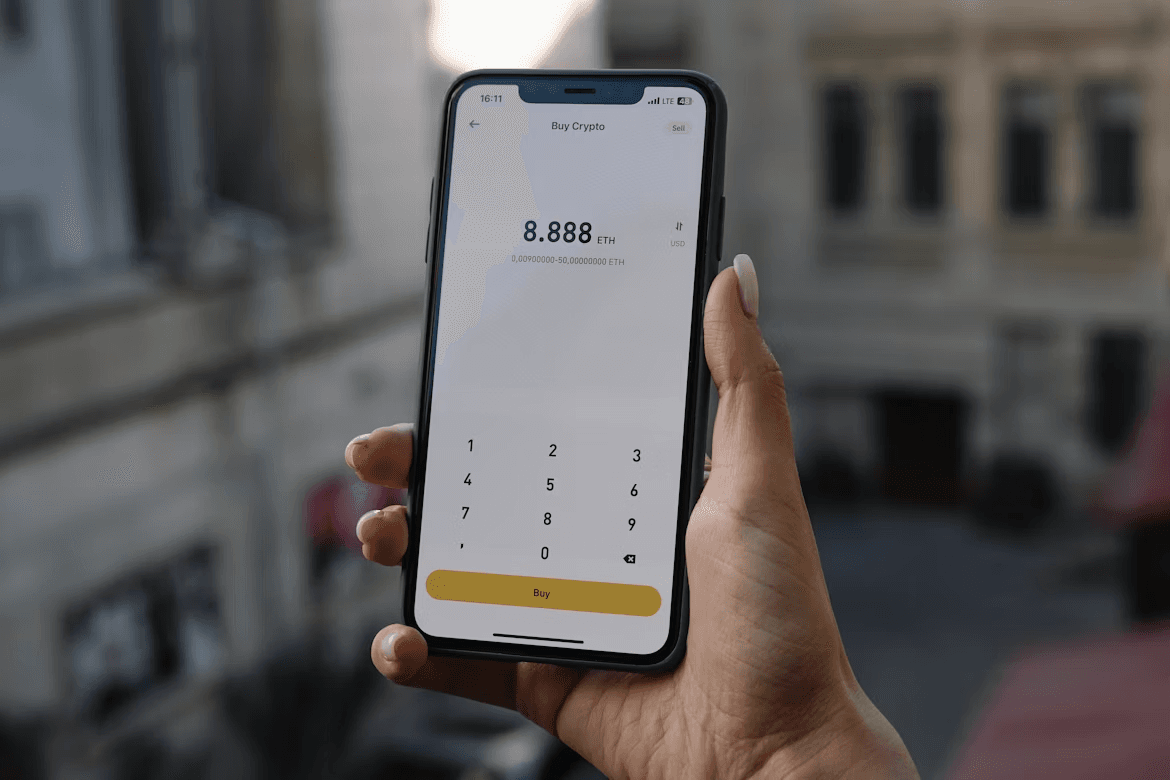
While crypto investing is still exciting, it has evolved far beyond its early speculative hype. Now a trillion-dollar market, it attracts serious institutional and high-net-worth investors who treat it as a real asset class. Meanwhile, many newcomers still approach it like a casino, throwing money at whatever coin is trending on social media.
Investing in cryptocurrency, particularly building a portfolio capable of withstanding both market downturns and growing over the long term, will require strategy, not chance. A basic understanding of how different crypto assets interrelate (e.g., why some may be more volatile than others), knowing when to sell your gains for cash, and how to limit your potential losses. Fortunately, you do not need to have a finance degree to accomplish these things.
Crypto Portfolios Should Be Allocated Like Traditional Investing
The basic premise for allocating a crypto portfolio is the same as for traditional investing: do not allocate 100% of your portfolio to a single asset. However, unlike conventional assets (such as stocks and bonds), crypto can move much faster and experience larger price swings.
Many professional investors advise maintaining between 60% and 70% of your crypto investments in established cryptocurrency projects. Projects such as Bitcoin and Ethereum are examples of established projects due to their history of success, large developer communities, and real-world use cases. Bitcoin has been referred to as digital gold for its ability to retain value over time. Additionally, Ethereum provides an open-source smart contract development platform used by thousands of other projects.
The remaining 30-40% can go toward smaller projects with higher growth potential. This is where you research the best crypto to buy among mid-cap and emerging tokens. Look for projects that solve real problems, not just ride hype waves. Check if they have active development teams, transparent roadmaps, and growing user bases.
Risk Management Using Diversification
To diversify your crypto investments, it's not enough to own just two or three coins. The goal of diversifying your assets is to have exposure to all different parts of the blockchain space. Projects may be built around payment systems, lending/borrowing, gaming, data storage, etc. Recent research even showed that portfolio diversification is the number one reason people invest in crypto in 2025.
When you invest across multiple sectors of the blockchain space (or even just layers), if one area faces regulatory challenges or experiences a major technical issue, it can limit potential losses in your overall portfolio. You should set boundaries on how much money you are willing to invest in any single asset. Many people use the rule that no single cryptocurrency should represent more than 15% of their total crypto assets. If you follow this rule, you will prevent a single bad investment from wiping out your entire portfolio.
The Impossibility of Perfect Market Timing
It is virtually impossible to time the markets perfectly, even for professional investors. Therefore, dollar cost averaging reduces the pressure to time your market entry perfectly. For example, when you decide to invest in a particular asset (e.g., crypto), dollar cost averaging means you invest a predetermined amount at a predetermined interval (e.g., weekly, biweekly, etc.), regardless of the asset's price.
As an added advantage, dollar-cost averaging can be particularly beneficial in highly volatile markets, such as those for cryptocurrencies, which are characterized by bear and bull cycles. In a volatile environment, when the price drops, the fixed-dollar investment in the same quantity of assets would result in the investor purchasing more assets than they would have if the price had been higher. Conversely, if the price rises, the investor would buy fewer assets with their fixed dollar investment.
However, they could still profit from the increased value of the assets they already own. The dollar-cost averaging method thus helps remove market volatility from the investor's decision-making process over time.

Staying Informed Without Getting Overwhelmed
Although you must stay informed about cryptocurrency news, overconsumption of this information can lead to selling and/or buying based on fear or emotion rather than a rational thought process. Instead of following all of the cryptocurrency influencers in your social media circle, follow a select number of trusted resources.
Instead of focusing on price forecasts and short-term market fluctuations (both of which are subject to change from day to day), focus on the underlying fundamentals of cryptocurrencies, including, but not limited to, protocol updates, government regulations, and institutional investment/adoption. Your long-term investment strategy should withstand market volatility without requiring constant adjustments.