

AI Trading Bots Crossing Into Forex: How Multi-Asset Algorithmic Systems Are Expanding Into Currency Markets
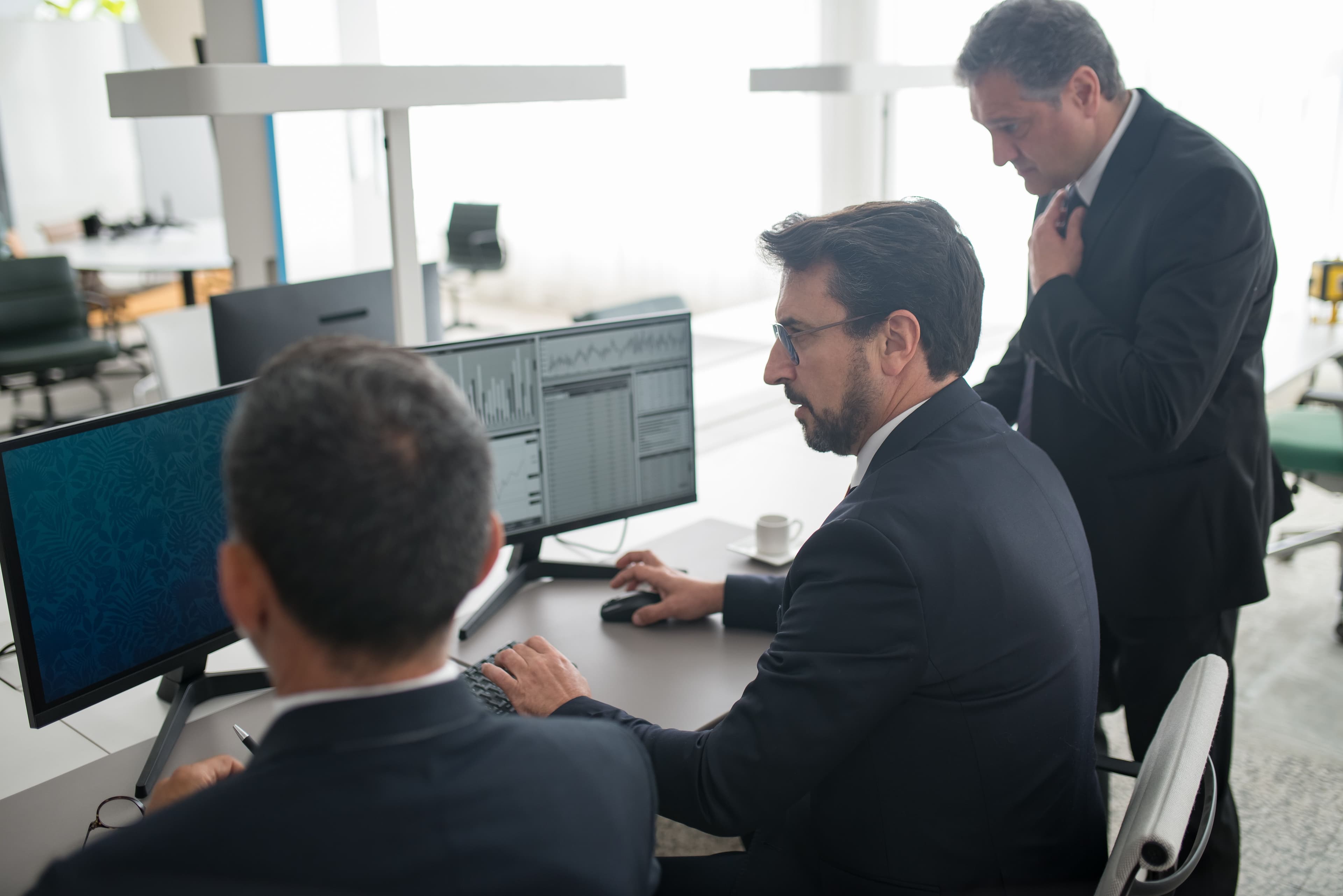
Algorithmic trading platforms that once focused on a single asset class are really increasingly branching into the global foreign exchange market. By combining macroeconomic data with traditional market indicators, these systems can assess market conditions across multiple asset classes in real time.
Automated trading is really no longer confined to stocks or cryptocurrencies. Today, many algorithmic systems also monitor foreign exchange markets, using cross-market analysis to respond to currency movements influenced by interest rates, trade balances and broader economic developments.
This evolution is changing how automated strategies operate across highly liquid currency pairs during continuous trading sessions.
The Evolution of Cross-Market Algorithmic Execution
Quantitative trading systems once operated within narrow boundaries. Early automation focused on a single market, whether equities, cryptocurrencies or futures. As global liquidity became more interconnected, trading technology evolved alongside it.
Modern execution engines now analyze data from several markets simultaneously, helping to identify broader macroeconomic trends rather than relying on isolated signals.
Much of this progress has been driven by improvements in cloud computing and broker application programming interfaces. Instead of depending solely on technical indicators like moving averages, many current systems also assess order-book depth, bond yields and central bank commentary.
This broader view helps algorithms respond to changing market conditions before those shifts become obvious on traditional retail charts.
Foreign exchange has become a logical extension of this approach. The market offers deep liquidity and operates almost continuously throughout the working week, giving automated systems more opportunities to execute orders efficiently with reduced slippage compared with smaller, less liquid markets.
Bridging Digital Assets and Fiat Liquidity Pools
Many automated trading platforms now bring together cryptocurrencies, commodities and fiat markets within a single risk management framework. If you use a multi-asset ai trading system extending into forex currency pairs, you can access global interest rate differentials without switching between separate specialist platforms.
The system evaluates correlations across asset classes before executing trades in major foreign exchange markets.
This flexibility becomes especially useful when macroeconomic events trigger sharp shifts in market sentiment. If digital assets become more volatile because of regulatory developments, an automated strategy can rebalance exposure towards established currency pairs such as EUR/USD or USD/JPY.
Rather than concentrating risk in one market, the system can adjust its allocation while remaining active.
Cross-market trading engines also analyze macroeconomic indicators alongside detailed order flow data. By monitoring treasury yields together with commodity price movements, these platforms build a broader picture of potential currency direction. Automated execution then allows orders to react quickly to economic announcements and central bank decisions.
Risk Management and Real-Time Volatility Adaptation
Foreign exchange markets move quickly, making disciplined risk management essential, particularly when leverage is involved. Modern trading software includes automated safeguards designed to help maintain consistency during periods of heightened volatility. Common features include:
Dynamic trailing stop-losses that automatically adjust exit levels as positions move into profit.
Volatility-based position sizing that reduces exposure during major economic announcements.
Maximum drawdown circuit breakers that pause trading if portfolio losses exceed predefined limits.
Cross-pair correlation filters that limit simultaneous exposure to highly correlated currency pairs.
Automating these rules removes the need for emotional decision-making when markets become unpredictable. Instead of relying on manual intervention, predefined exit strategies are executed immediately, helping maintain consistency throughout fast-moving trading sessions.
Key Structural Differences in Foreign Exchange Automation
Applying automated strategies to foreign exchange requires adapting to market mechanics that differ from those of stocks and many other asset classes. Unlike centralized exchanges, the FX market operates over-the-counter through a network of banks and liquidity providers. As a result, pricing and spreads can vary slightly between brokers.
The market's near 24-hour trading cycle also creates changing conditions throughout the day. Activity during the Tokyo session differs considerably from the pace seen in London or New York.
A strategy that performs well during quieter Asian trading hours may struggle during the more volatile European session unless it includes filters designed for different trading environments.
Margin management is another important consideration. While cryptocurrency investing often centers on holding the underlying asset, foreign exchange trading relies heavily on leveraged positions.
Modern trading engines continuously calculate margin requirements to reduce the likelihood of margin calls during significant events such as central bank announcements or major geopolitical developments.
Navigating Infrastructure and Execution Protocols
Reliable infrastructure plays a major role in automated foreign exchange trading. Even small delays between a trading signal and order execution can increase slippage during volatile market conditions. For this reason, many traders host their algorithms on virtual private servers located close to major financial data centers in cities such as London and New York.
Broker selection also influences overall system performance. Traders typically look for low-latency API connections, competitive spreads and dependable order-routing technology.
Many automated platforms connect directly to trading terminals such as MetaTrader 5 or cTrader via secure APIs, enabling rapid instruction execution while maintaining account security.
As multi-asset trading technology continues to evolve, algorithmic systems are steadily expanding beyond their original markets. By combining cross-market analysis, automated risk management and dependable execution infrastructure, these platforms are becoming an increasingly established part of foreign exchange trading.