

What users should understand before choosing crypto for online payments
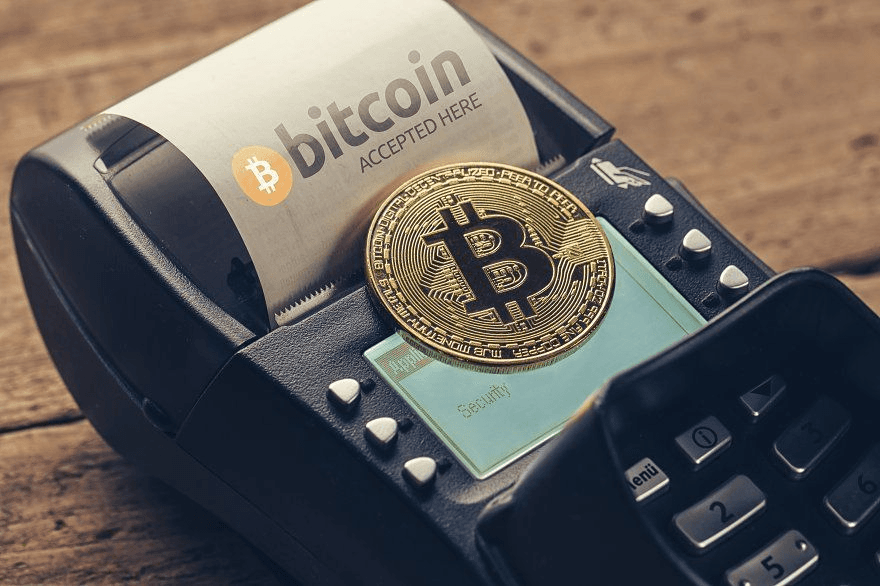
Do you remember the days when crypto payments were a niche experiment? We’ve come so far, and now they’re a real option at checkout. Now, you can use Bitcoin, Ethereum, and many other coins to pay for subscriptions, digital services, physical goods, and entertainment.
The infrastructure is in place. For most online shoppers, the real question isn’t if you can pay with crypto, but if you should. The answer depends on what you’re buying, which wallet you use, and how well you understand how crypto payments work.
Crypto isn’t just another credit card. It works differently, comes with unique costs, and carries risks that traditional payment methods do not.
Wallet compatibility isn't universal
The reality is that not all crypto wallets work with every payment processor. Some platforms accept Bitcoin, but only through specific wallets due to integration limitations. Others might take Ethereum, but not the ERC-20 tokens you have. So, before you pay, check which coins the merchant accepts and whether your wallet connects directly or requires an intermediary.
Hardware wallets make things a bit more complicated. They are generally considered one of the safest ways to store crypto, but they are not designed for fast payments. To spend, you need to move funds from your hardware wallet to a hot wallet, which takes extra time and effort. Many users keep a small amount in a hot wallet for regular transactions and store the rest securely. Keeping them separate helps reduce risk.
Some online platforms have simplified this by supporting multiple cryptocurrencies and integrating payment flows that guide users through wallet selection. For example, JackpotCity Casino in Canada offers crypto payments in certain regions, allowing users to fund their accounts without first converting to fiat. That kind of native integration is becoming more common as platforms compete for crypto-holding users.
Confirmation times vary more than people expect
Credit card payments typically process in seconds, but crypto transactions can take longer. Bitcoin payments may take from 10 minutes to over an hour, depending on network congestion and the fee you include. Ethereum is often faster, but its fees can increase significantly during periods of high demand.
Layer 2 solutions, such as the Lightning Network for Bitcoin and rollups for Ethereum, can process payments faster, but support is not universal across merchants. If they are not supported, you will need to use the main network, which may be slower and more expensive. Always check before you pay, especially if timing matters.
For recurring payments, slower confirmations are usually less noticeable since transactions happen in the background. But for one-time purchases where you expect immediate access, delays can be frustrating. Knowing how long your chosen network typically takes can help you decide whether crypto is suitable for that transaction.
Volatility is a real cost, not a theoretical one
If you spend $50 worth of Bitcoin, its value could be $55 or $42 by the end of the week due to market volatility. This price movement means that what you effectively paid can change after the transaction. You will not get money back if the value drops, and you will not owe more if it rises. However, you may miss out depending on how the price shifts after spending.
Stablecoins can help users reduce exposure to price changes. USDC and USDT are tied to the dollar, so their values tend to remain stable under normal conditions. If a merchant accepts stablecoins, the payment experience becomes more predictable because their value remains relatively stable.
Price changes can also affect refunds. If you pay 0.001 BTC and return the item a week later, the dollar value of your refund may differ from what you originally paid. Merchants handle this in different ways. Some return the same amount of crypto, while others refund based on the original dollar value. Always review the refund policy before completing a payment.
Security basics that protect your funds
Crypto payments are generally irreversible on most blockchain networks. There is usually no dispute process and no central authority to reverse a transaction. If you send funds to the wrong address, they are likely lost. If a malicious site tricks you into connecting your wallet, your funds can disappear quickly. Using crypto requires you to take responsibility for your own security.
Always enable two-factor authentication on your wallet where available. Also, check every payment address carefully. Verifying the first and last few characters can help you detect most address-swapping attacks caused by malware.
For larger payments, consider sending a small test transaction first. This allows you to confirm that the address is correct and that the funds arrive safely. This simple step can prevent costly mistakes.
When crypto makes sense and when it doesn't
Crypto payments work best when traditional systems are slow, expensive, or limited. They may be less practical for everyday purchases where speed and simplicity are priorities, depending on the network and payment method used. The key is to use crypto where it provides clear advantages rather than applying it to every transaction.
Users who get the most value from crypto understand how it works and use it deliberately. Always check what you are sending, where it is going, and what it will cost before completing a payment.